California Native Plant Photo Contest
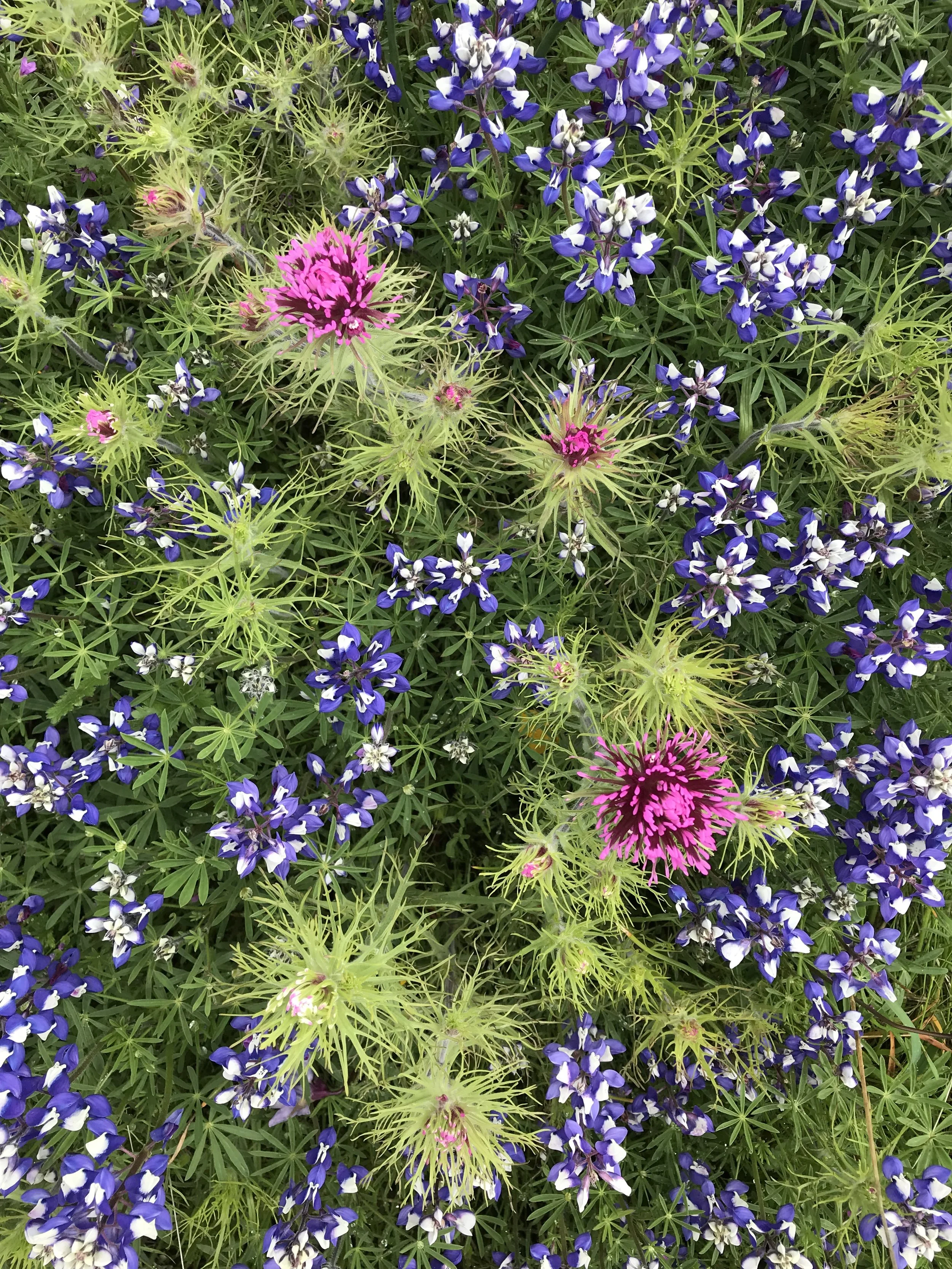
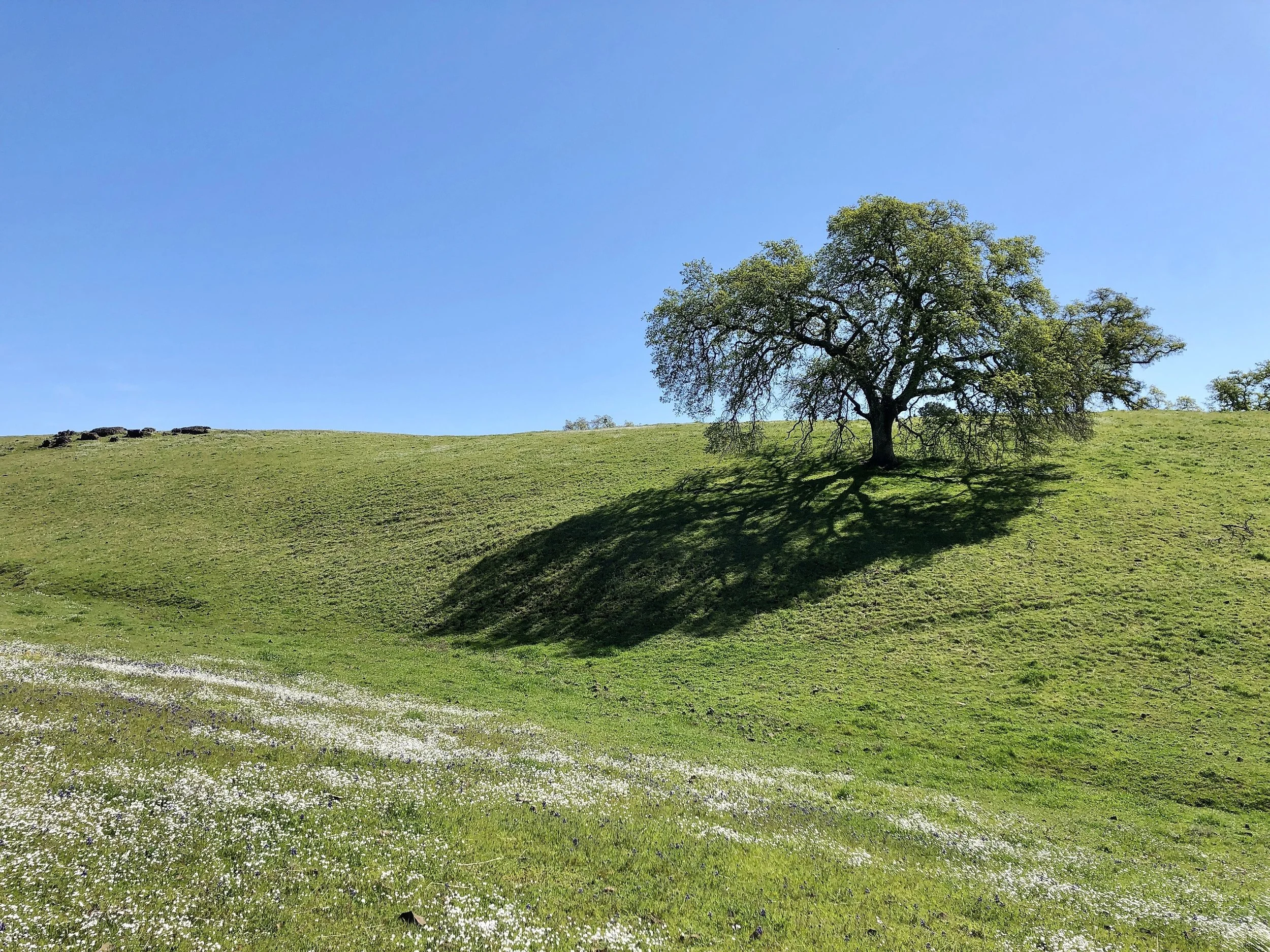
Celebrate California native plants! Submit your favorite California native plant photo for a chance to win $100.00 and a Friends of the Ahart Herbarium annual membership!
Events & Workshops
Celebrate California native plants! Submit your favorite California native plant photo for a chance to win $100.00 and a Friends of the Ahart Herbarium annual membership!
Joanna Clines will describe her work with photographer Stephen Sharnoff to produce their new book, Flowering Plants of the Sierra Nevada, featuring over 1,000 species of flowering herbs and shrubs. The book covers the entire Sierra Nevada range, from the western foothills over the crest to about 6,000 ft elevation on the east slope.
Grasses dominate many California landscapes, yet their identification presents a challenge to beginner and experienced botanists alike. This workshop will help you learn the morphological features and terminology used in The Jepson Manual keys so you can confidently key out those tricky species. Dried specimens of more than 20 genera and 45+ species will be provided for participants to key together as a group and as individuals.
Bumble bees (members of the genus Bombus) are a critical piece of many different natural landscapes and habitats – from seashores to mountain meadows over 10,000 ft. In this workshop we will learn about bumble bee morphology, their natural history, life cycles and how to identify common bumble bee species native to Butte County in the lab and field.
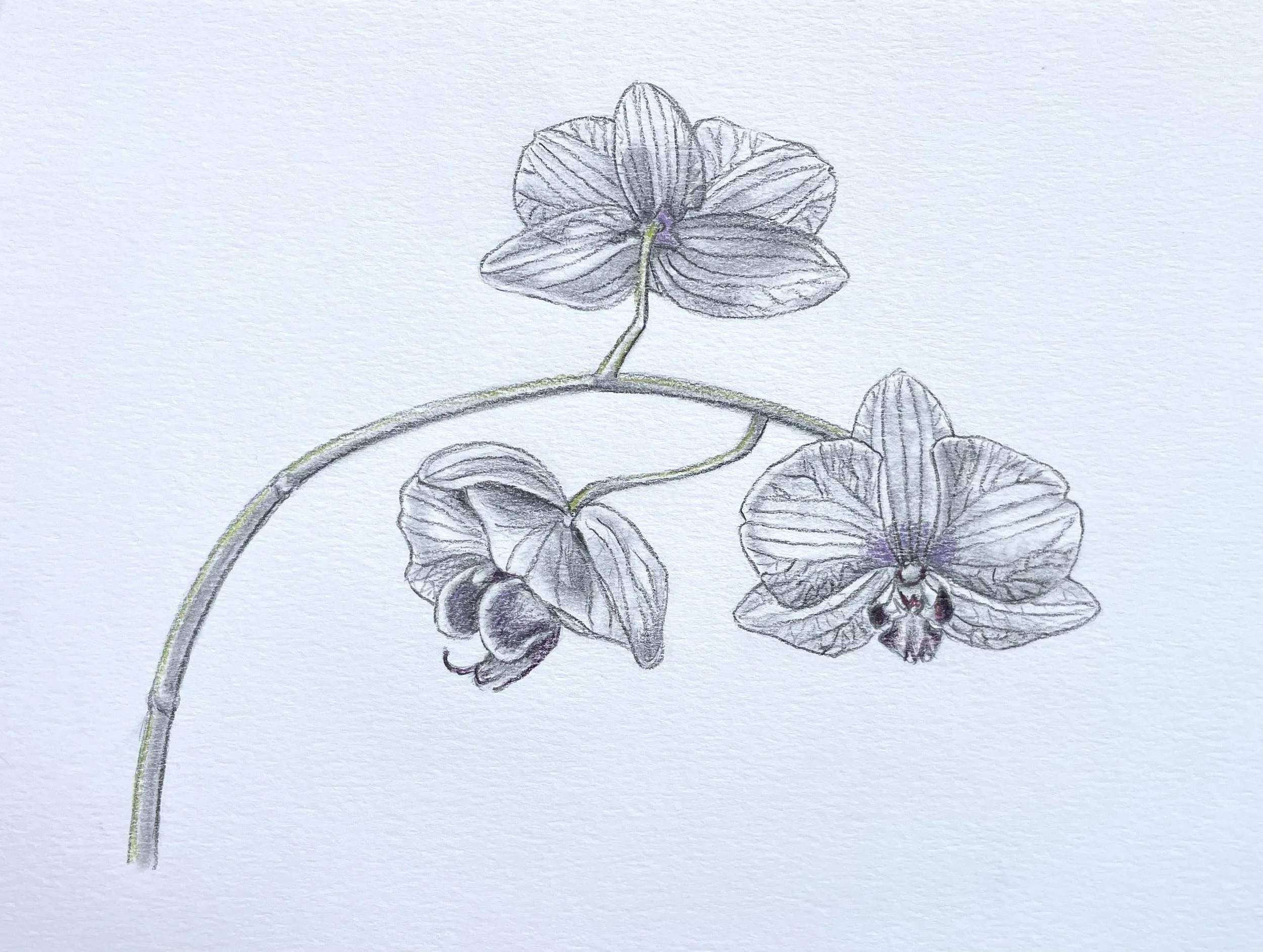
Join us as we combine our love of art and plants in this workshop suitable for all artistic abilities. Brianna will lead us first in making close observations of our chosen specimens, identifying their colors, shapes, and details. Participants have the option to do detailed drawings of their specimens on paper using pencil techniques and/or colored versions using a variety of media.
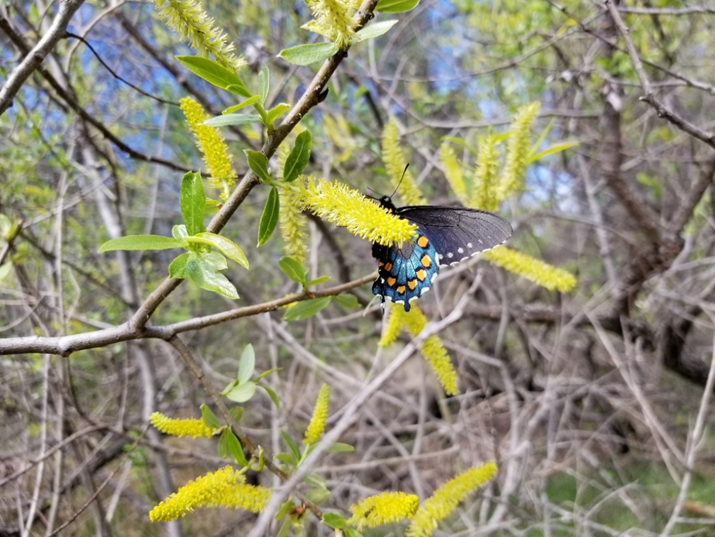
Cottonwoods and willows are the most common riparian hardwood species in California and yet many of us have little idea of how to tell them apart. The goal of the workshop is to instill confidence about vegetative characteristics used in the identification keys in The Jepson Manual and familiarize participants with some of the most common willows in California.
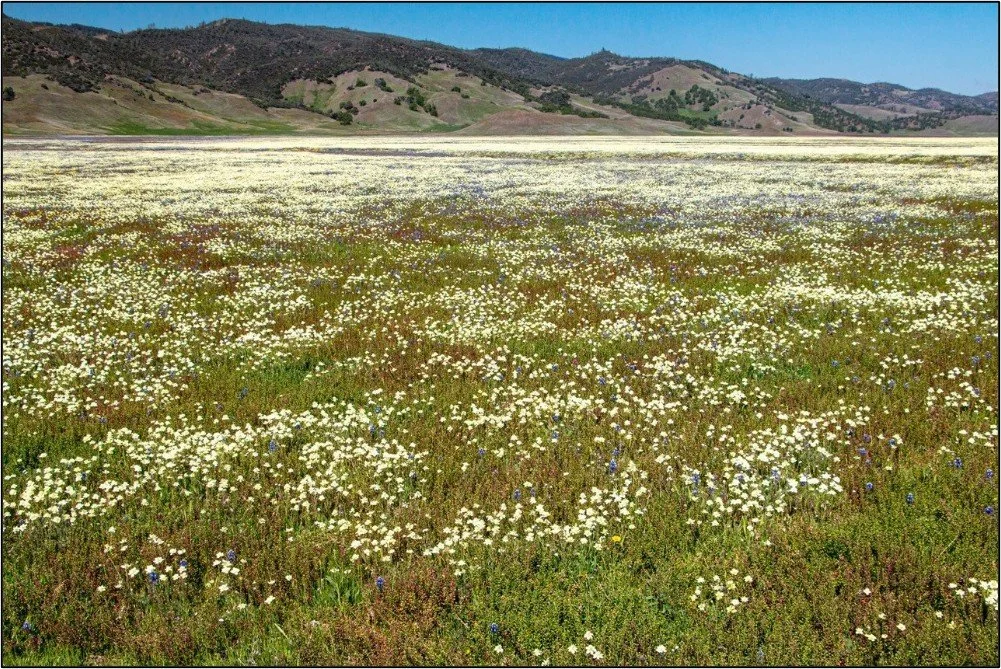
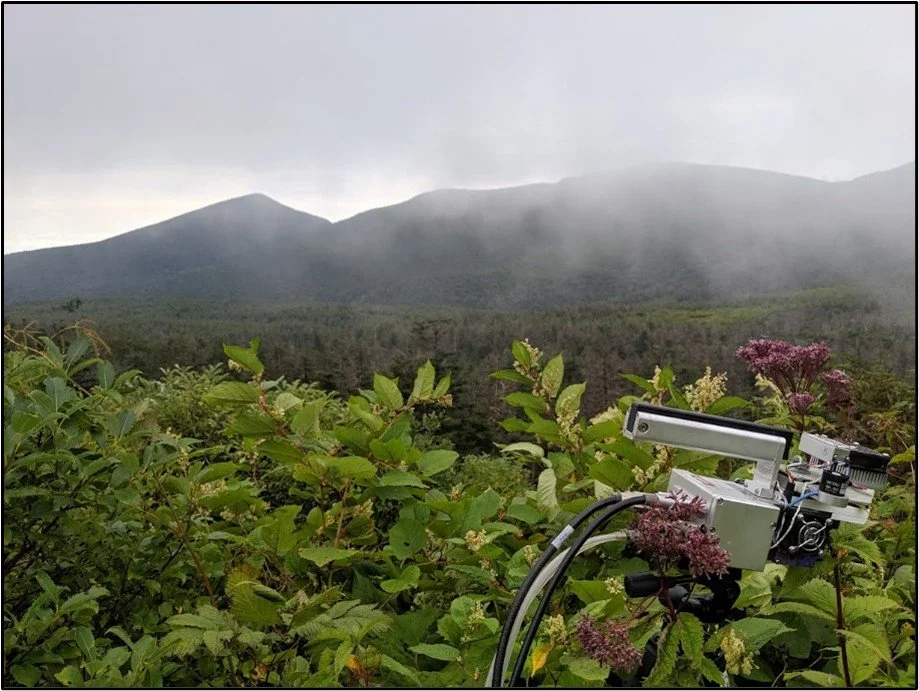
Invasive plants often outcompete co-occurring natives, in part due to higher photosynthetic capacity. However, it remains unclear whether these advantages arise from evolutionary shifts after introduction or reflect preadaptation in their native range. In this talk, Dr. Griffin-Nolan presents a large-scale home-away comparison of 27 invasive species (and 17 co-occurring native species) across temperate forest and field habitats on three continents.
UC Jepson Herbarium volunteer and researcher Vanessa C. Stevens has been organizing and curating the collection of California botanist, Mary E. Pulsifer Ames (1843-1902). Specimens in the Ames collection range from 120 to 150 years old, and include vascular plants, marine algae, and cryptograms collected in California, the continental United States and around the world. Vanessa is working to integrate this collection into the University and Jepson Herbaria, housed at UC Berkeley.
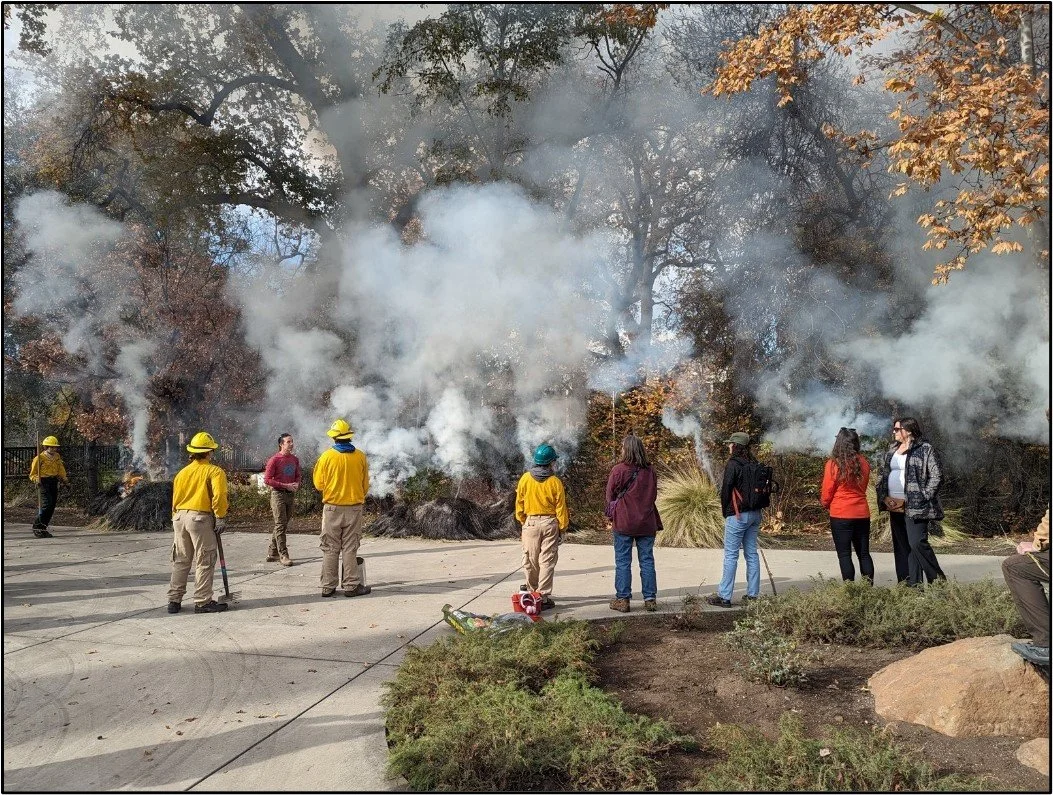
We hear about prescribed fires, forest thinning projects, and post-fire restoration projects. But how do people actually choose when and where these projects should happen? And, in a changing and much-changed world, how should we decide if they're even good or not? Wolfy will discuss the challenges, compromises, and new ways of seeing that resulted from some ecological restoration projects she took on.
Join land managers from CSU, Chico’s Big Chico Creek Ecological Reserve (BCCER) to hear about management and research projects happening on the reserve in the wake of the 2024 Park Fire. They will present ongoing projects, including longer term post-fire management planning, post-fire research and monitoring, prescribed fire reentry, and spring and oak savannah restoration projects. They will also highlight some of the new botanical discoveries on the BCCER after the fire.
The Friends of the Ahart Herbarium are partnering with the Gateway Science Museum and Cultivating Place to host two spectacular holiday gatherings celebrating native plants, community, science and these longstanding and much-needed North State institutions.
Ephemeral geophytes at high elevations are only available for study for five to six weeks after snowmelt and therefore are rarely investigated. From 2009 to 2021, Hal Mackey and Rob Schlising collected life history data on the closely related Dicentra uniflora and Dicentra pauciflora in the Cascade Range of northeastern Butte County, California, through field surveys and plantings. Join us to learn how these 16 years of data have provided insights into recovery times and persistence after major forest fires.
Presented by Tawny Bolinas, 2023 Jim Jokerst Field Botany Grant Award Winner.
Join renowned botanist Jon Keeley to learn about the fire regimes in herbaceous, shrubland and forest types throughout California and how different regimes have selected for different fire-adaptations.
There are many pests and diseases that cause decline in oak trees. This workshop will explore the common pests of oaks, including a discussion of the biology of the pests and common symptoms and signs of infection. In addition to the common pests, learn about a new and potentially devastating invader in California’s oak woodlands, the Mediterranean Oak Borer!
Create a seasonal and local color palette from Northern California plant-based dyes with artist, designer, and educator Sasha Duerr. Together we’ll learn to “cook with color” and make a unique and biodiverse palette of botanically-dyed samples, finished take-home textiles exploring a range of surface design techniques in the process . . . and connect to a vibrant array of California fall colors.
Join Kyle Mason from the Big Chico Creek Ecological Reserve to hear about the history of fire in Butte County, how it's been used, and why. Kyle will follow-up with a discussion of how fire management might look in the future.
At 9,037 feet, Mount Eddy is the highest peak in the Klamath Mountains. Be prepared to be enchanted by its dazzling botanical treasures while hiking to its summit!
Join the authors of Firescaping Your Home: A Manual for Readiness in Wildfire Country to explore paradigms that get in the way of landscaping for defensible space or supporting native biodiversity. We will focus on psychological conventions in landscaping that often complicate the adoption of firesafe strategies, including foundation plantings, fences, wind patterns, and habitat fragmentation. We will wrap up with a discussion on support for biodiversity and fire insurance challenges.
The Siskiyou Crest has one of the highest concentrations of officially designated botanical areas on National Forest lands in the country. This presentation will take you on a photographic exploration of these unique Botanical Areas and highlight many of the rare and endemic species that grow in each area.
Join Forest Service Ecologist, Kyle Merriam to learn about the status and distribution of Baker cypress and Macnab cypress, two iconic, fire adapted species in northern California.
Join John Whittlesey, author of Plant Lovers Guide to Salvias to learn about the evolution and adaptation of salvias generally, their specific California habitats, and the pollinators with whom they co-evolved.
The Friends of the Ahart Herbarium (FOAH) is celebrating its 30th year of sustaining the Ahart Herbarium at Chico State! Your dedication is helping to build an endowment to secure the Herbarium's future. Our collection of almost 130,000 specimens, continues to serve scientists, students, and plant enthusiasts worldwide. In celebration our accomplishments, we invite you to the no-cost FOAH 30th Anniversary Phytoblitz and Picnic at the Vina Plains Preserve.
Celebrate California native plants! Submit your favorite California native plant photo for a chance to win $100.00 and a Friends of the Ahart Herbarium annual membership!
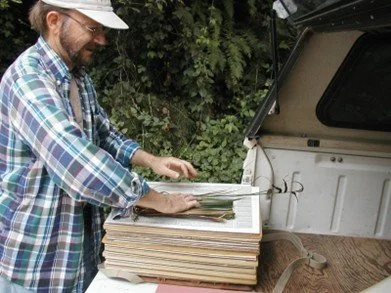
Herbarium specimens form an invaluable record of plant diversity and distribution. Join the Curator of the Ahart Herbarium, Lawrence Janeway, to hear about the importance of collecting plant specimens, how anyone can do it, and get some helpful hints on how you can ensure that what you collect is useful to the herbarium and researchers in general.
The 2024 Park Fire impacted a diverse range of woodland and forest habitats, including the Beaver Creek Pinery, a unique old-growth forest shaped by frequent fires. Join US Forest Service Research Ecologist Eric Knapp to learn about the factors that allowed the Pinery to withstand historical fires and how his research may inform forest management strategies under today’s fire climate.
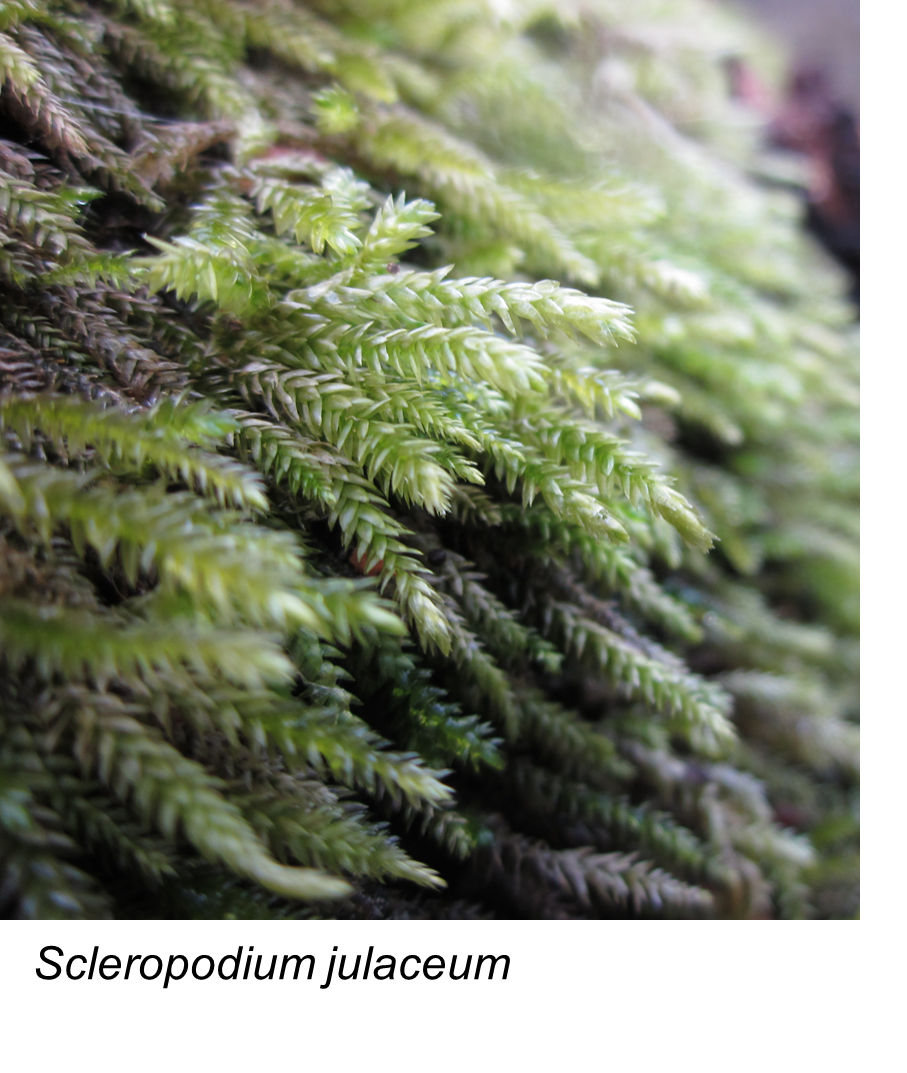
With around 800 species in California, the bryophytes (mosses, liverworts and hornworts) are a fascinating, diverse and ecologically important part of our native flora. The aim of this two-day workshop is to give participants the basic tools they will need to continue learning and enjoying the local bryophytes on their own.
Fire is an integral process in many California Ecosystems which have largely been shaped through Indigenous fire stewardship. In this presentation, Dr. Don Hankins will illustrate the interconnected nature of Indigenous knowledge to shape ecocultural relationships through fire stewardship to restore ecosystems and enhance climate and social resilience.
Here is some background on ecocultural stewardship in a paper that Dr. Hankins published in PNAS: Climate resilience through ecocultural stewardship
Back by popular demand! Learn more about California native plants while you create a unique holiday wreath. Many of our native chaparral shrubs and forest trees are evergreen, and can remain fragrant for years after drying. Join us for an afternoon of creativity and good cheer!
Join Naomi Fraga, Director of Conservation Programs at the California Botanic Garden, to learn about rare alkali wetland plants and her research supporting conservation of four at-risk species.
Join Aaron Sims, Director of the Rare Plant Program for the California Native Plant Society (CNPS) to celebrate five decades of rare plant conservation and the people that make it possible.
During the first portion of this pictorial reminisce (All Things Botanical, May 16, 2024), John Dittes introduced us to Lowell, retired rancher and farmer, renowned Northern California botanist and plant collector, and namesake of the Herbarium at CSU Chico. We learned of Lowell’s early days, growing up on The Peter Ahart Ranch, and how he became the accomplished botanist we know today. We’ll continue from there, enjoying photos and stories of botanical projects, Northern California landscapes, and interesting people met along the way, from 2013 to present.
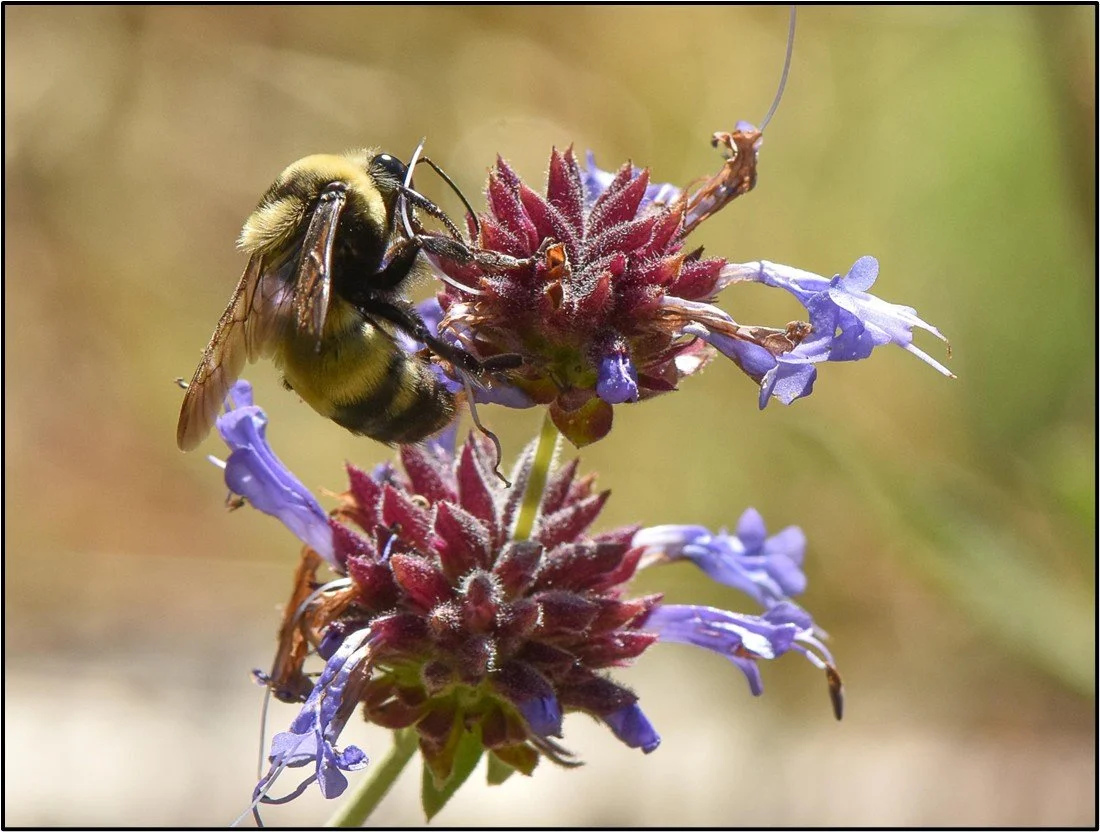
Dr. Frankie will touch on a variety of topics that illustrate his concern for pollinator conservation: The use of bee hotels (pros and cons), collecting pollinators, data basing of collections and value of museums, bee conservation and the need for citizen action. He will also discuss developing pollinator habitat gardens and native versus non-native plants in these gardens.
Forest professionals are often asked to assess the health of trees within private and public lands. But making decisions on the health and probability of mortality trees can be complicated. There are many factors to assess and this workshop will present information to aid in the assessment of the health of trees, particularly California native conifers and oaks. Workshop participants will be shown examples in the field of the most common native forest insects and diseases that impact local forest health.
Cottonwoods and willows are the most common riparian hardwood species in California and yet many of us have little idea of how to tell them apart. The goal of the workshop is to instill confidence about vegetative characteristics used in the identification keys in The Jepson Manual and familiarize participants with some of the most common willows in California.
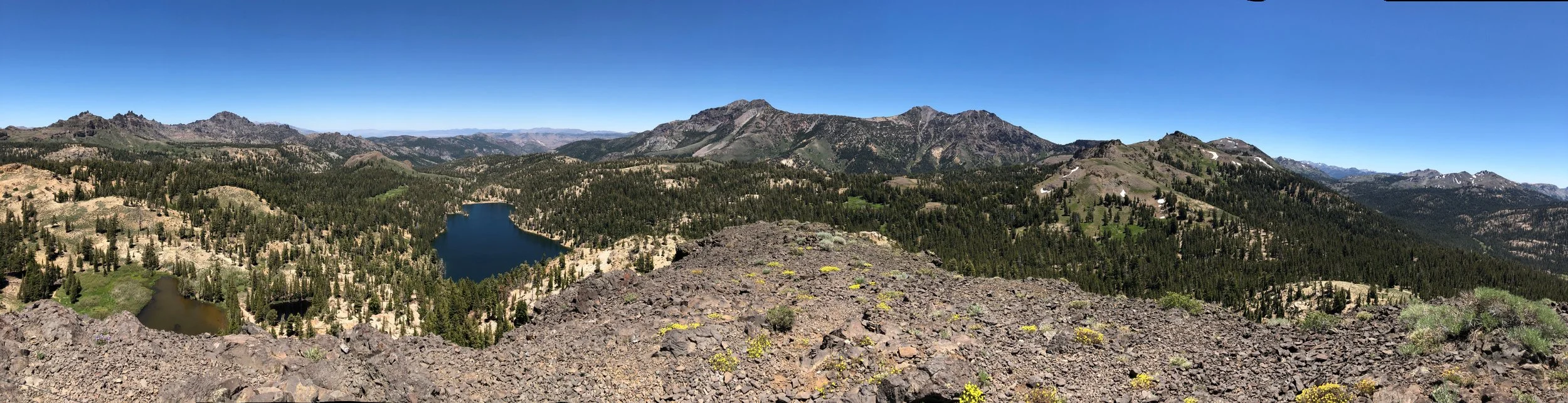
Nevada County and the cross-section of the Sierra Nevada it spans offer diverse habitats and a diverse set of plant species that inhabit them. For the first time, a true Flora of Nevada County is in the works. Join Shane Hanofee to hear about the process of making a flora, the botanical history of Nevada County, and some exciting discoveries made in the production of this work.