Plants Gone Wild: Invaders Optimize Leaf Nitrogen Towards Photosynthesis
April 16, 2026
7:00 – 8:00 PM (Via Zoom)
with Robert Griffin-Nolan
California State University, Chico
Register in advance for this meeting at the link below:
https://csuchico.zoom.us/meeting/register/lgwRzUbiRhWL4WLxDfGRUA
After registering, you will receive a confirmation email containing information about joining the meeting.
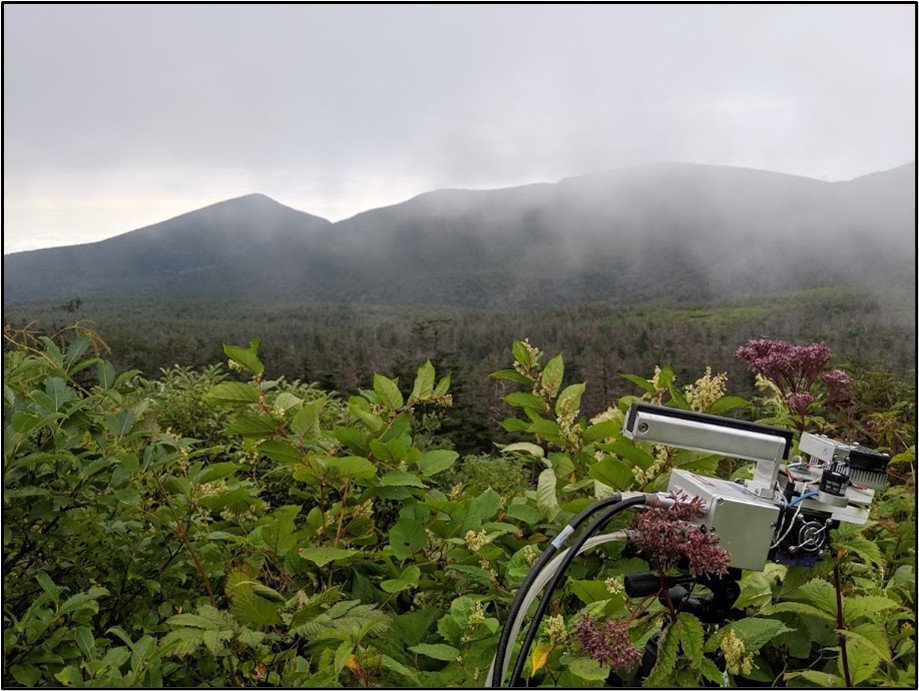
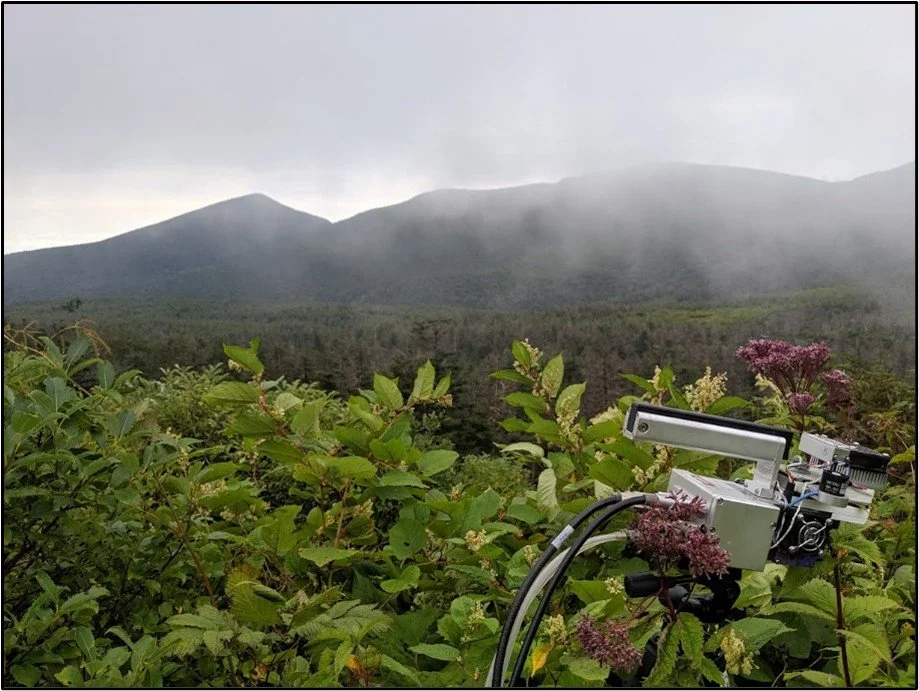
Invasive plants often outcompete co-occurring natives, in part due to higher photosynthetic capacity. However, it remains unclear whether these advantages arise from evolutionary shifts after introduction or reflect preadaptation in their native range. In this talk, Dr. Griffin-Nolan presents a large-scale home-away comparison of 27 invasive species (and 17 co-occurring native species) across temperate forest and field habitats on three continents. By combining field gas exchange measurements with detailed analyses of within-leaf nitrogen allocation to photosynthesis vs. defense, the study tests whether invaders achieve higher photosynthetic rates via optimal nitrogen allocation and whether such traits already exist in the invader’s native range.

Originally from Central New York, Dr. Robert Griffin-Nolan earned his B.S. in Biology from Ithaca College, where he began his research career studying photosynthetic responses of mosses to altered light quality in Peter Melcher’s plant physiology lab. He completed his Ph.D. in Ecology at Colorado State University in 2019 under Dr. Alan Knapp, where his dissertation examined how grassland community functional composition influences drought sensitivity. Dr. Griffin-Nolan subsequently completed postdoctoral fellowships at Syracuse University, investigating the physiological mechanisms underlying plant invasions, and at Santa Clara University, studying macroecological patterns of grass functional traits. In 2023, he joined California State University, Chico as an Assistant Professor of Biology. His research and teaching focus on plant physiology and ecology, with particular emphasis on plant responses to global climate change.
PHOTOS: Provided by Robert Griffin-Nolan